This is the leading paragraph. It should be bold and hook the reader immediately. In the world of pool cage restoration, the smallest component often causes the biggest failure. We are talking about the screws holding your structure together.
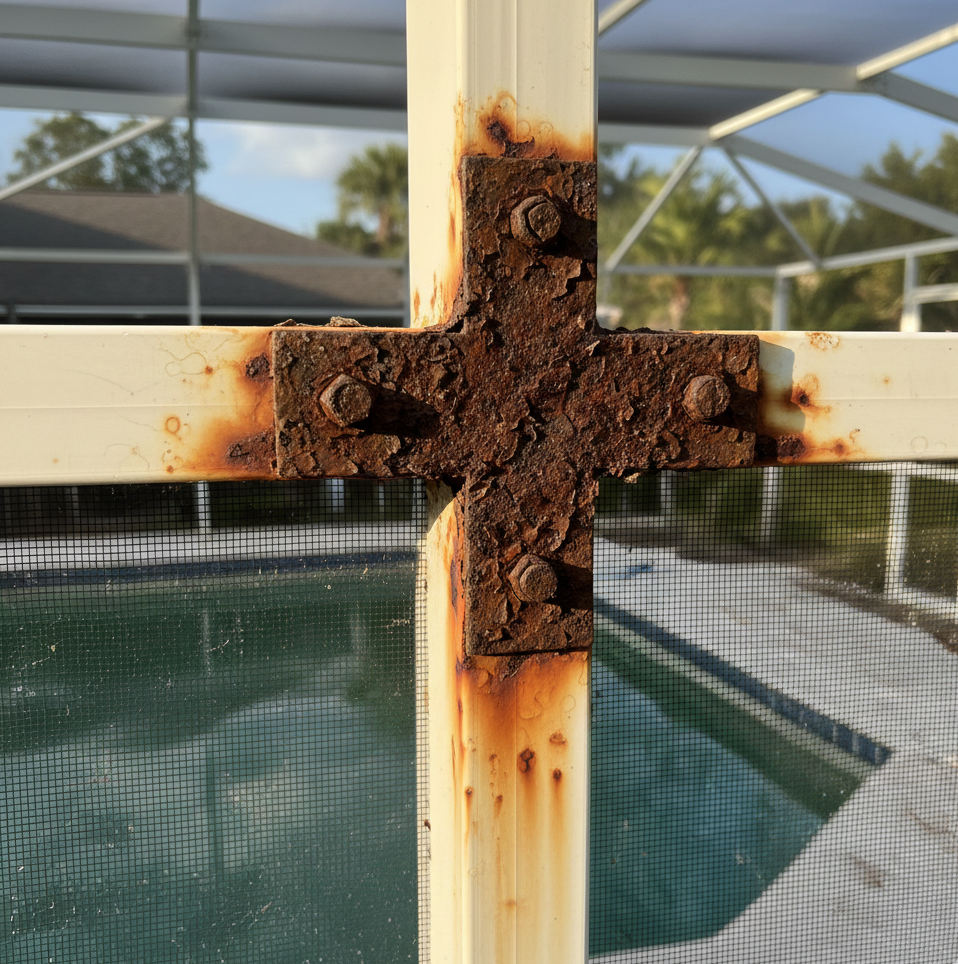 Figure 1: Typical galvanic corrosion on a standard zinc-plated screw after 3 years.
The Galvanic Reaction
When you place two different metals together (like a steel screw and an aluminum beam) and add an electrolyte (salt water humidity), you create a battery. This is called galvanic corrosion. The steel acts as the anode and sacrifices itself, resulting in that ugly orange rust bleed you see running down your white beams.
Key Takeaway
Standard zinc-plated screws are not designed for coastal environments. Once the plating wears off (usually within 24 months), the structural integrity of the fastener begins to degrade immediately.
Most "budget" contractors use what is known in the industry as "Builder Grade" fasteners. These are magnetic steel screws with a thin ceramic coating. While they look fine on day one, they are a ticking time bomb for your enclosure's wind rating.
The Solution: Nylo-Tec or Stainless?
At Suncoast Restoration, we refuse to install standard steel. We offer two distinct upgrades for our clients:
- 410 Stainless Steel (Pro-Tect): A hardened stainless alloy that resists rust significantly better than carbon steel.
- Nylo-Tec® Bi-Metal: The gold standard. These fasteners feature a stainless steel shaft with a nylon head cap that completely seals the metal from the elements.
- Bonded Washers: We ensure every roof screw has a neoprene washer to prevent leaks.
Investing in the proper hardware now saves you the cost of a full re-screw project five years down the road. It is the difference between a temporary fix and a permanent restoration.